Understanding the Psychology of Bluffing
Bluffing in poker is not merely a strategic move; it’s a psychological battle that unfolds at the table. The essence of bluffing lies in understanding your opponents’ thoughts and emotions, which can be enhanced by insights from online casino sister sites that offer tips and tricks. To successfully execute a bluff, players must project confidence while reading their opponents’ reactions effectively. A successful bluff can lead to significant winnings, especially if your opponents believe you possess a stronger hand than you actually do.
When bluffing, it’s essential to assess the table dynamics and the personalities of your opponents. An aggressive player might call a bluff more often than a passive one, so adjusting your strategy based on the players at the table is crucial. Understanding the psychological aspect of bluffing can give you the upper hand, allowing you to manipulate the game to your advantage. This knowledge helps you develop a keen sense of timing and will enable you to pick the best moments to execute a bluff.
Additionally, visual cues often play a vital role in successful bluffing. Observing your opponents’ body language, facial expressions, and betting patterns can provide insight into how they perceive their hands. Are they anxious, confident, or uncertain? By mastering the art of reading these cues, you can enhance your bluffing technique. A well-timed bluff can not only win you chips but also instill doubt and fear in your opponents, which can be strategically advantageous in future rounds.
Types of Bluffs and Their Applications
There are various types of bluffs in poker, each suited for different situations and player types. One common type is the pure bluff, where a player has a weak hand and bets with the hope of persuading opponents to fold stronger hands. This strategy works best against players who tend to be cautious or overly protective of their chips. Knowing when to execute a pure bluff can set you apart from others and lead to impressive wins at the casino.
Another effective strategy is the semi-bluff, which involves betting on a hand that has the potential to improve. This strategy allows you to maintain some equity in the pot even if your bluff is called. For instance, if you’re holding a drawing hand that could complete a flush or straight, betting can create pressure on your opponents while keeping you in the game. Understanding the nuances between these bluff types can help players gauge risks and rewards in various scenarios.

Furthermore, the stone-cold bluff is a high-stakes strategy that requires a deep understanding of your opponent’s tendencies. It involves betting aggressively when you have absolutely nothing, often in situations where your opponents are likely to fold. This approach can be incredibly effective at a casino table, especially when the pot is large, and players are more inclined to protect their investments. Mastering these types of bluffs can enhance your overall poker strategy and lead to consistent success in the casino environment.
Mastering Timing and Position in Bluffing
The timing of your bluff is crucial in determining its success. Knowing when to bluff can often be the difference between winning and losing a hand. Generally, the later your position in the betting order, the more information you have about your opponents’ actions. This information can guide your decision-making process, allowing you to determine whether the timing is right for a bluff. It’s often more effective to bluff against fewer opponents, as this increases your chances of them folding.
Your position at the table can also influence the type of bluff you should choose. For example, if you are in a late position, you can take advantage of the information gleaned from earlier bettors. If they check, it may indicate weakness, providing an opening for a calculated bluff. Conversely, if the early players show strength, it may be wise to save your chips for a more favorable situation. Timing and position are intertwined, and mastering both will significantly enhance your bluffing skills at any casino.
Moreover, your table image plays a significant role in how often players will call your bluffs. If you’ve been playing conservatively, opponents may be more likely to believe your bluffs; on the other hand, if you’ve been overly aggressive, they may call your bluffs more frequently. Therefore, managing your table image while simultaneously timing your bluffs is a delicate balance, requiring practice and keen observation skills to execute successfully.
Reading Your Opponents Effectively
To become a successful bluffer in poker, learning how to read your opponents is essential. This skill involves paying close attention to their betting patterns, tendencies, and behavioral cues during play. Noticing how a player reacts in different scenarios can provide valuable insights into their decision-making process, helping you gauge their likely response to a bluff. For instance, if a player frequently checks when they have a weak hand, this could indicate they are susceptible to being bluffed.
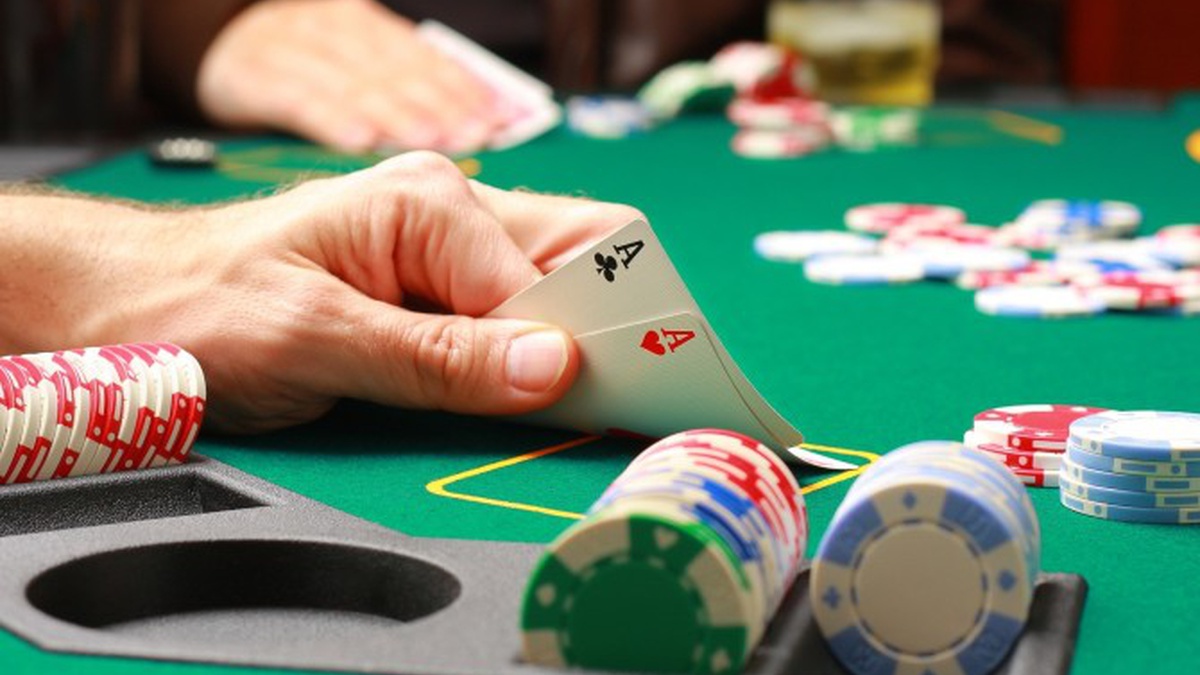
Additionally, understanding the psychological factors at play can help you develop an effective bluffing strategy. For example, some players may be more prone to fold under pressure when they feel uncertain about their hand strength. Observing moments of hesitation or nervousness can signal that a bluff may be successful. On the other hand, recognizing confident betting can indicate a strong hand that may not easily fold. The ability to read your opponents will enhance your overall poker strategy and empower your bluffing techniques.
Furthermore, experience is a key factor in honing your reading skills. The more you play, the better you will become at recognizing patterns and predicting behaviors. Engage in discussions with fellow players, study professional games, and analyze your opponents’ moves. This continual learning process will not only refine your ability to bluff effectively but also improve your entire gaming strategy at the poker table, leading to greater success in casinos.
Expanding Your Poker Skills Online and Beyond
As you look to master the art of bluffing, consider expanding your poker skills beyond the casino environment. Online poker platforms offer a unique opportunity to practice without the pressure of live opponents. Playing online allows you to encounter a diverse range of players and styles, which can enhance your understanding of bluffing strategies significantly. The convenience of playing online means you can experiment with different techniques and evaluate their effectiveness in a risk-free environment.
Moreover, engaging in poker forums and communities can provide additional insights from fellow players, improving your overall knowledge of the game. Sharing experiences and strategies can expose you to new bluffing techniques and theories that may elevate your skills further. Additionally, watching poker tutorials or streaming platforms where seasoned players discuss their strategies can offer valuable education on bluffing and other critical aspects of poker.
Finally, remember that mastering poker, especially bluffing, requires patience, practice, and continual learning. Each game presents a new opportunity for growth and development. Whether you are playing in a casino or online, consistently refining your skills and engaging with the poker community will ensure you remain ahead of the curve, ultimately enhancing your success as a poker player.
